
Designing Spaces That Fit Lived Experience
Great design doesn’t start with finishes or floor plans. It starts with people — how they live, how they move through their day, and what they need from the spaces they inhabit. When design reflects real lifestyles, environments feel intuitive, comfortable, and lasting. That’s the ethos behind thoughtful interior design, whether in single-family homes or multifamily communities where diverse lifestyles intersect.
A recent blog by Redfin explores how lifestyle-driven design considers daily routines, functionality, and the ability for spaces to adapt over time. While the conversation is often framed around residential homes, the core ideas extend far beyond a single sector.
At StudioSIX5, this way of thinking is foundational to how we design across markets — especially within multifamily communities, where lifestyle-driven design must work at scale and serve a diverse range of residents.
Lifestyle as the Starting Point
Designing for lifestyle means observing how people actually live, not how we assume they should live. It’s about understanding patterns: where people pause, where they connect, where they retreat, and how they transition between those moments throughout the day.
In multifamily environments, this approach becomes even more critical. Residents may share a building, but they don’t share the same routines, schedules, or expectations. A successful community understands residents’ needs and how these intersect with the broader community context
By grounding design decisions in lived experience, spaces feel more natural; and better equipped to support the longevity of the community and retention.
Function Before Aesthetic
When function leads the design process, aesthetics follow with purpose. Clear circulation, intuitive layouts, and thoughtful adjacencies reduce friction in everyday life. Residents don’t have to “figure out” how to use a space, it simply works.
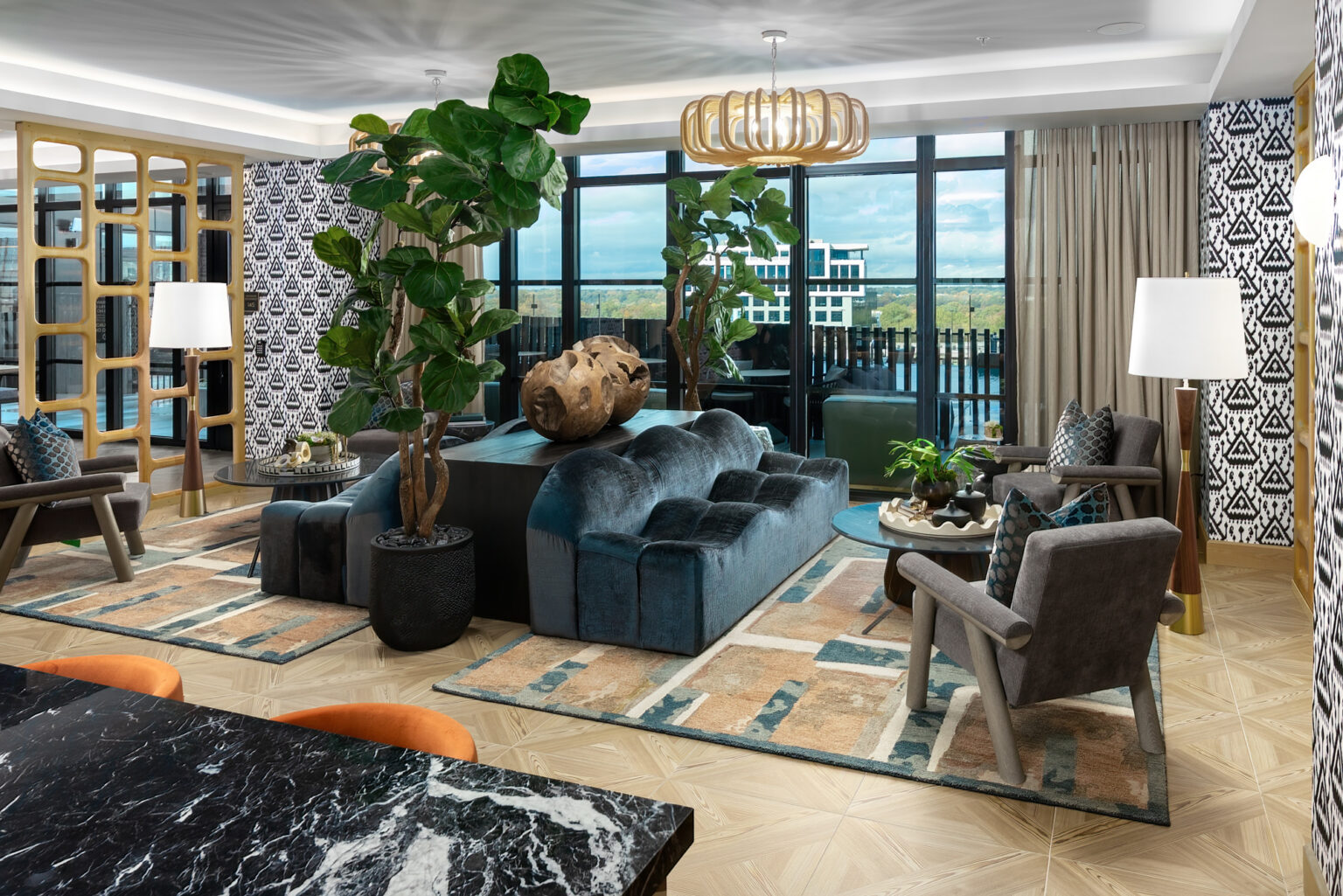
In multifamily communities, this can show up in subtle but meaningful ways: amenity spaces that flex throughout the day, lounges that encourage both gathering and individual use, or residences designed to accommodate changing needs without major disruption.
When design prioritizes function, it creates comfort, comfort is what transforms a residence into a home.
Flexible Spaces
Lifestyle is not static. Needs shift, spaces that allow for flexibility remain relevant longer and feel more personal over time.
In multifamily design, flexibility is a powerful tool. Spaces that can adapt rather than dictate a single use empower residents to shape their own experience. A community room that supports casual work sessions by day and social gatherings by night. A unit layout that accommodates remote work without sacrificing livability.
Designing for adaptability respects the reality that people grow and change and their environments should be able to do the same.
Creating Individuality
One of the greatest challenges in multifamily design is creating a sense of individuality within a shared environment. Lifestyle-driven design bridges that gap by focusing on experience rather than uniformity.
When spaces are designed around how people live, not just how many people they serve, communities feel more human. Residents feel seen, supported, and connected. That sense of belonging is what drives satisfaction, retention, and long-term value.
At StudioSIX5, our goal is to design multifamily environments that don’t just look good on opening day but continue to serve residents meaningfully over time.
Design That Reflects Real Life
Whether designing a single residence or an entire community, the principle remains the same: great design supports real life.
The growing conversation around lifestyle-driven homes, including insights shared by Redfin, reinforces what we see every day in practice. When design begins with understanding people, spaces become more than functional, beautiful and become places where life happens naturally.